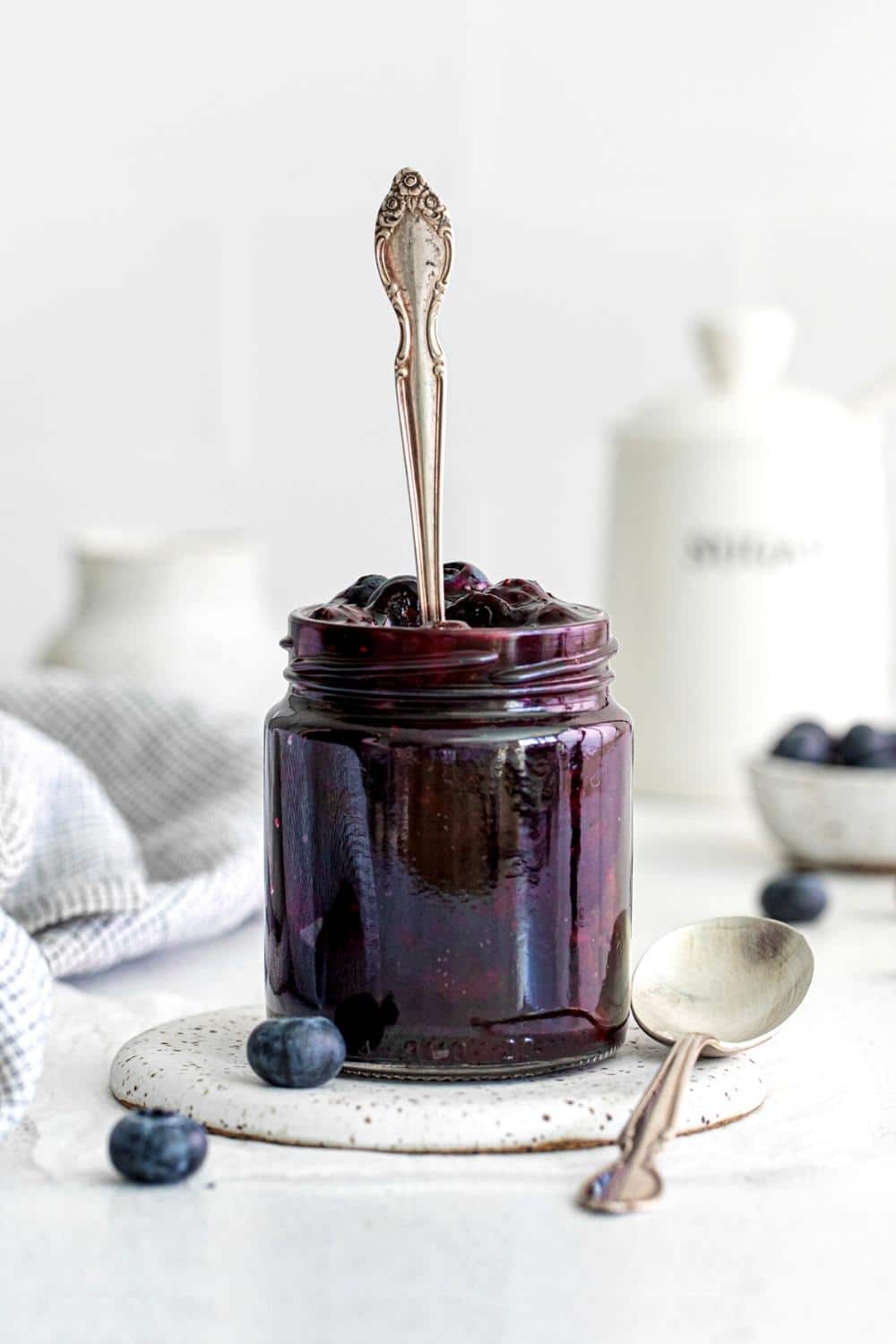
Mastering the Art of Homemade Blueberry Pie Filling: Article 3
Creating a truly exceptional blueberry pie filling is an art form, a symphony of sweet, tart, and aromatic notes that elevates a simple pie to a memorable dessert. While convenience often leads us to store-bought options, there's an undeniable satisfaction and superior flavor profile that comes from crafting your own. This comprehensive guide, the third in our series, dives deeper into perfecting your blueberry pie filling, exploring advanced techniques, troubleshooting common issues, and unleashing its full potential beyond the classic pie. If you're looking for foundational recipes and ingredient deep-dives, be sure to check out blueberry pie filling - Article 1, and for more on ingredient ratios and basic preparation, blueberry pie filling - Article 2 offers great insights.The Anatomy of a Perfect Blueberry Pie Filling: Key Components Revisited
Before we delve into advanced tips, let's briefly recap the core elements that make up an outstanding blueberry pie filling. Understanding the role of each component is crucial for successful customization and troubleshooting.- Blueberries: The star of the show! Whether you opt for fresh, frozen, wild, or cultivated, the quality of your berries directly impacts the final flavor. Fresh berries offer a vibrant pop, while frozen can be more convenient and often just as flavorful if thawed properly. Wild blueberries tend to be smaller, more intense, and have a higher skin-to-pulp ratio, contributing a richer color and texture.
- Sweeteners: Granulated sugar is standard, but don't shy away from experimenting. A touch of brown sugar can add depth, while maple syrup or honey can introduce unique caramel notes. The amount depends on the sweetness of your berries and your personal preference.
- Thickeners: Essential for achieving that perfectly set, yet still slightly gooey consistency. Common choices include:
- Cornstarch: Provides a clear, glossy finish and sets well.
- Tapioca (instant or pearl): Offers a slightly more "saucy" and less opaque consistency, often preferred for fruit fillings as it doesn't cloud the fruit's color.
- All-purpose flour: Creates a more opaque, slightly floury finish. Less common for fruit pies due to potential cloudiness.
- Pectin: A natural thickener found in fruits, sometimes added as a powder for extra assurance, especially with less ripe berries.
- Acids: A squeeze of lemon juice or a dash of apple cider vinegar is not just for flavor; it brightens the berries, balances sweetness, and helps activate some thickeners. It's the secret weapon that prevents your filling from tasting flat.
- Flavor Enhancers: Beyond the main ingredients, a pinch of cinnamon, nutmeg, or even a tiny amount of allspice can dramatically enhance the berry flavor without overpowering it. A touch of lemon zest adds a beautiful aromatic lift.
Crafting Your Signature Blueberry Pie Filling: Step-by-Step Guide & Variations
While the basics might seem straightforward, subtle tweaks can transform a good filling into a truly memorable one.Essential Steps for a Classic Filling
- Berry Preparation: If using fresh blueberries, gently wash and pick through them, removing any stems or bruised berries. If using frozen, there's often no need to thaw them completely before mixing; simply toss them directly with the dry ingredients. Thawing can lead to excessive moisture, which you'll need to account for.
- Combine Dry Ingredients: In a separate bowl, whisk together your chosen sweetener(s), thickener(s), and any spices. This ensures even distribution and prevents lumps.
- Gentle Mixing: Add the dry mixture to your blueberries, along with lemon juice or other acid, and gently toss until the berries are evenly coated. Be careful not to crush the berries, especially if they are fresh and ripe.
- Cooking Method Considerations:
- Bake-in-Pie: For many, the simplest method is to pour the prepared filling directly into the pie crust and bake. The heat of the oven cooks the berries and activates the thickener. This method often results in a fresher berry taste.
- Pre-cooked Filling: For a thicker, more stable filling, or to reduce the risk of a soggy bottom, you can cook a portion or all of your blueberry pie filling on the stovetop before adding it to the crust. Simmer until the juices thicken, then cool completely before use. This is particularly useful when using very juicy fresh berries or for applications where the filling won't undergo significant further baking.
- Cooling is Crucial: Regardless of your cooking method, allow the pie to cool completely for several hours (ideally 4-6 hours, or overnight) before slicing. This gives the thickener ample time to set, preventing a runny mess.
Innovative Twists and Flavor Enhancements
Once you've mastered the classic, the world of flavor opens up. Consider these additions to create your truly signature blueberry pie filling:
- Citrus Zest: Beyond lemon, orange or lime zest can add a beautiful aromatic complexity. A microplane makes quick work of this.
- Herbal Infusions: A sprig of fresh thyme or a few torn basil leaves can introduce an unexpected, sophisticated note. Add them during the mixing phase and remove before baking if desired, or leave them for a subtle hint.
- Liqueurs and Spirits: A tablespoon of Grand Marnier, brandy, or even a good bourbon can deepen the fruit flavor and add a warm undertone. Add this with the lemon juice.
- Spice Blends: Experiment with a pinch of cardamom, star anise (removed before baking), or a tiny dash of black pepper for an intriguing kick.
- Other Fruits: A handful of raspberries, blackberries, or chopped peaches can complement blueberries beautifully, adding layers of color and taste. Adjust thickener slightly if adding very juicy fruits.
- Vanilla: A teaspoon of good quality vanilla extract (added after the filling has cooled slightly if pre-cooking) enhances sweetness and rounds out the flavors.
Troubleshooting Common Blueberry Pie Filling Dilemmas
Even experienced bakers face challenges. Here’s how to tackle common issues with your blueberry pie filling.Too Runny? Too Thick? Achieving the Right Consistency
- If your filling is too runny: This is a common complaint.
- Culprit: Not enough thickener, too much liquid from berries (especially if frozen and not drained, or very ripe fresh ones), or not enough cooling time.
- Solution: Ensure you're using the correct amount of thickener for your recipe. If using frozen berries, consider a slightly larger amount of thickener. If your baked pie is still runny after cooling, you can sometimes salvage it by re-baking at a lower temperature for a longer time, or by adding a thin glaze on top to mask it. For pre-cooked fillings, a slurry of cornstarch and cold water can be whisked in and simmered for a few more minutes.
- If your filling is too thick:
- Culprit: Too much thickener or too little liquid.
- Solution: For a pre-cooked filling, you can carefully stir in a tablespoon or two of water or fruit juice (like apple or cranberry) until desired consistency is reached. For a baked pie, there's little you can do post-baking, but remember to adjust your thickener next time.
- Achieving the "just right" consistency: It comes with practice! Remember that fillings will thicken significantly as they cool. Err on the side of slightly looser when hot, knowing it will firm up.
Preventing a Soggy Bottom
A soggy bottom crust is the bane of many a pie baker's existence. The culprit is typically moisture from the blueberry pie filling seeping into the unbaked dough.
- Pre-cook your filling: As discussed, cooking your filling on the stovetop and allowing it to cool completely before adding it to the crust removes excess moisture before baking.
- Blind bake your crust: Partially baking your bottom crust before adding the filling creates a barrier against moisture. Line the crust with parchment paper, fill with pie weights or dried beans, and bake until the edges are set and lightly golden.
- Use a thickener: Ensure your chosen thickener is robust enough for the juiciness of your berries. Tapioca is often praised for its ability to absorb liquid without becoming gummy.
- Sprinkle breadcrumbs or cornflakes: A thin layer of finely crushed dry breadcrumbs or cornflakes on the bottom of the pie crust before adding the filling can act as a sponge, absorbing stray juices.
- Bake at the right temperature: Start with a higher temperature (e.g., 425°F/220°C) for the first 15-20 minutes to set the crust quickly, then reduce to a moderate temperature (e.g., 375°F/190°C) to finish baking.
Maximizing Blueberry Flavor
- Choose ripe berries: This might seem obvious, but underripe blueberries will yield a bland filling. Taste your berries before you commit!
- Don't over-sweeten: Too much sugar can mask the delicate flavor of the blueberries. Aim for a balance where the tartness of the berries still shines through.
- A touch of acid: Lemon juice is not just for thickening; it brightens and amplifies the natural sweetness and tartness of the blueberries, making them taste "more" like themselves.
- Salt is your friend: A tiny pinch of salt (about 1/8 teaspoon for an average pie) enhances all flavors, including sweetness and fruitiness, without making the filling taste salty.
Beyond the Pie: Creative Uses for Your Homemade Blueberry Pie Filling
Your perfectly crafted blueberry pie filling isn't just for pies! Its versatility makes it a fantastic addition to a myriad of desserts and breakfast dishes.- Ice Cream Topping: Warm or chilled, it's an irresistible accompaniment to vanilla bean or even lemon sorbet.
- Cheesecake Layer: Swirl it into a no-bake cheesecake batter or spoon it generously over the top of a baked cheesecake for an elegant finish.
- Pancakes, Waffles, and French Toast: Ditch the syrup and ladle warm filling over your favorite breakfast carbs.
- Yogurt Parfait: Layer with Greek yogurt and granola for a wholesome and delicious breakfast or snack.
- Muffins and Scones: Fold a spoonful into your batter before baking for bursts of blueberry goodness.
- Cobblers and Crumbles: A quick shortcut – use your pre-cooked filling as the base for these comforting desserts, topped with a biscuit or streusel topping.
- Dessert Pizzas: Spread on a sweet crust (like a sugar cookie base) with cream cheese frosting.
- Oatmeal or Porridge: Stir a spoonful into your morning oats for natural sweetness and flavor.
